Taking a surgical robot from founding to FDA De Novo
Founding employee and R&D head on a robotic system for cochlear-implant surgery.
- Years
- 2016 – 2024
- Role
- Founding employee · Director of Product Development, then Director of R&D
- Funding
- PI on four SBIR awards (NSF and NIH/NIDCD), over $3.6M
- Outcome
- FDA De Novo authorization, DEN190055 (2021)
The problem
Cochlear-implant electrodes are inserted by hand. Speed and steadiness during insertion affect what the patient hears afterwards.
What I built
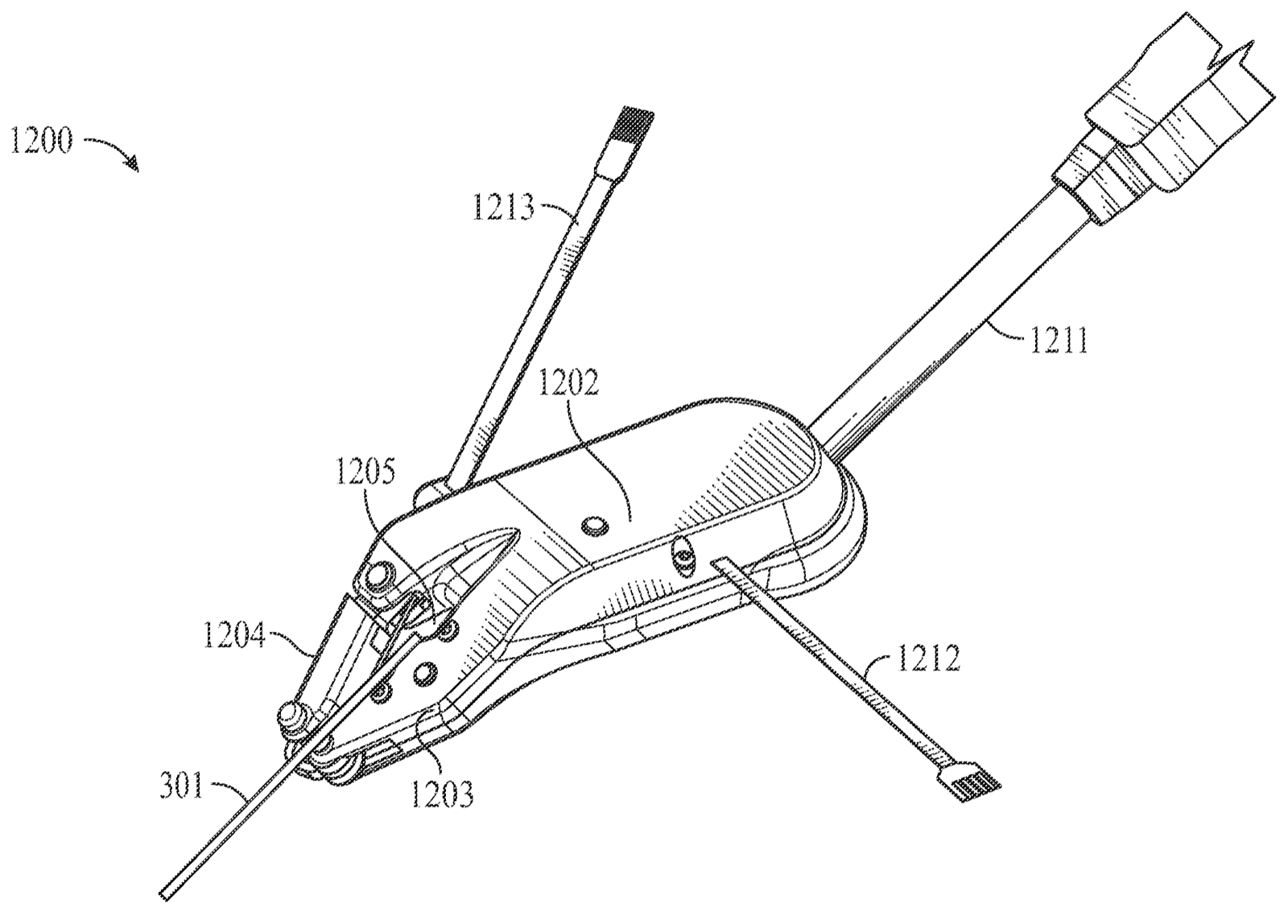
A robotic-assisted insertion system for cochlear-implant surgery, taken from company start to market.
- Led product development from company start through FDA De Novo authorization (DEN190055, 2021), the first-in-human trial and early commercialization.
- Product design and testing, in vivo validation, clinical study design, IP, manufacturing and regulatory strategy, all under design controls.
- Principal investigator on four SBIR awards, over $3.6M in non-dilutive funding.
My part, and who else
Founding employee; Director of Product Development, then Director of R&D. Alongside co-founder Christopher Kaufmann, MD, the iotaMotion team and clinical collaborators.
How it works
- 01ConceptCompany start, 2016
- 02Bench and in vivo testing
- 03Design controlsVerification and validation
- 04FDA De NovoAuthorized 2021
- 05First-in-human trialPublished 2023
- 06Commercialization
How I know it works
Tests, review, measured results
Regulatory review
FDA De Novo request DEN190055
2021
AuthorizedFirst-in-human trial
"A Steadier Hand", Otology & Neurotology
2023
PublishedPeer review
Peer-reviewed papers from the iotaMotion work
7
PublishedFunding review
Four SBIR awards from NSF and NIH/NIDCD, as principal investigator
Over $3.6M
4 awardsWhy it matters in healthcare
A first-of-its-kind Class II device, taken through De Novo under design controls.
What changed
A new, first-of-its-kind Class II device type, with first-in-human results published in 2023.
Under the hood
2021
FDA De Novo
$3.6M+
SBIR funding as PI, 4 awards
5
US patents
7
papers from this work
- Design controls
- In vivo validation
- Clinical study design
- Electrocochleography
- SBIR/STTR
Visuals and links